
Slow and Sustainable Gifting: Moving Away From Fast Consumption Toward Meaningful Presents
Thank you to our guest contributor: Annie Button!
Think about the last time you bought a gift in a panic. A few hasty clicks, next-day delivery, a generic choice wrapped in packaging that went straight into the recycling. The gesture was there, but the thought perhaps wasn’t. It’s a pattern most of us recognise, and it leaves a surprising amount of damage in its wake, both for the planet and for the meaning behind the giving.
A quieter, more considered approach is gaining real momentum. Slow gifting, choosing presents with genuine intention, is a meaningful response to a culture of rushed consumption. It won’t ask you to spend more. It will ask you to think more.
The Problem With Fast Gifting
The problem with rushed gifting isn’t just the occasional miss. It’s a broader cultural pattern. Research into shifting consumer attitudes shows that 73 per cent of global consumers say they would change their purchasing habits to reduce environmental impact, and that nearly one in three British shoppers have stopped buying certain brands due to ethical or environmental concerns. The desire for more considered giving is clearly there. The habits of fast, convenient purchasing just as often get in the way.
Part of the problem is how easy it has become to buy without really thinking. Online shopping makes it possible to purchase and dispatch a gift within minutes, which sounds convenient but strips out the consideration that makes giving meaningful. When speed is the primary driver, the result is often something generic: the kind of present that gets politely acknowledged and quietly forgotten. Multiply that across every birthday, anniversary, and occasion in a year and the waste, both material and emotional, adds up significantly.
Fast gifting also carries a less obvious cost. A present that clearly wasn’t thought about can feel worse than no present at all. The pressure to buy something, anything, by a certain date strips away the warmth that giving is supposed to carry.
What Slow Gifting Actually Means
Slow gifting borrows from the broader slow living movement: prioritise quality over quantity, choose things that last, and consider where they come from and who made them. It doesn’t mean spending more. It means spending more attention.
In practice, this means opting for a single well-chosen item over a bundle of forgettable ones, and looking beyond the high street to independent makers and ethical producers. A small-batch scented candle, a beautifully illustrated art print or a hand-finished cushion: these are objects that carry meaning beyond their function. The UK’s craft sector is largely made up of micro-businesses, small, often single operations, and choosing gifts from them keeps that ecosystem alive while delivering pieces designed to be kept and appreciated rather than replaced after a season.
The shift is already underway. As Social Stories Club’s own guide to sustainable gifting shows, more people are choosing products with a social purpose: supporting ethical trade, reducing waste, and backing businesses that reinvest in their communities.
Gifts That Last: What to Look For
Look for things that are made, not just manufactured. Curated collections of ethically made gifts are a good place to start, where products involving genuine craft, whether hand-embroidery, small-batch production, or hand-illustrated design, have a quality and character that mass-produced items don’t. They feel considered because they were. And because they’re built to last rather than to be replaced, they reduce the cycle of waste that fast gifting feeds.
Consider where the money goes. Buying from social enterprises and ethical businesses means your gift does more than delight the recipient. It supports livelihoods and keeps skills alive. A thoughtfully curated gift hamper from a social enterprise, for example, might contain teas that fund education in growing regions, chocolates that empower cocoa farmers, or soaps crafted by people with disabilities. That’s a story worth telling, and it makes the gift genuinely memorable.
Think about longevity. Ask yourself honestly whether the recipient will use it, display it, or genuinely enjoy it for years rather than weeks. A well-made object that fits someone’s home or interests will outlast a dozen impulse purchases.
Giving Thoughtfully, Wasting Less
Slow gifting isn’t about austerity. It’s a reframe: away from the idea that more equals better, and towards the understanding that thoughtfulness is the real currency of a meaningful present.
When you choose a present from an independent maker, a social enterprise, or a brand built around ethical values, you’re reducing waste, supporting communities, and giving the recipient something with a story behind it. Something that carries a little more weight than the average parcel dropped on a doorstep. And something that makes the act of giving feel like it should: warm, deliberate, and genuinely connected to the person you’re buying for.
The best gifts have always been the ones that show someone was paying attention. Slow gifting simply makes that a little easier to achieve. If you’re looking for a starting point, Social Stories Club’s gift collection is built around exactly this principle: presents with a purpose, chosen for the people you care about and the causes worth supporting.
Follow Social Stories Club on Social Media
Read More From Our Blogs

What Happens When You Spend £675,000 With Social Enterprises? The Real Impact Behind Our Gift Hampers
At Social Stories Club, we have now spent more than £675,000 with social ventures: businesses that use trade to help tackle social challenges.
Every Gift Has a Story: Inside the Sustainable Gifting Company Changing How the UK Gives
Gifting is one of life’s oldest traditions– a way to show gratitude, love, and connection. In a world defined by values, the most meaningful gifts tell a story.
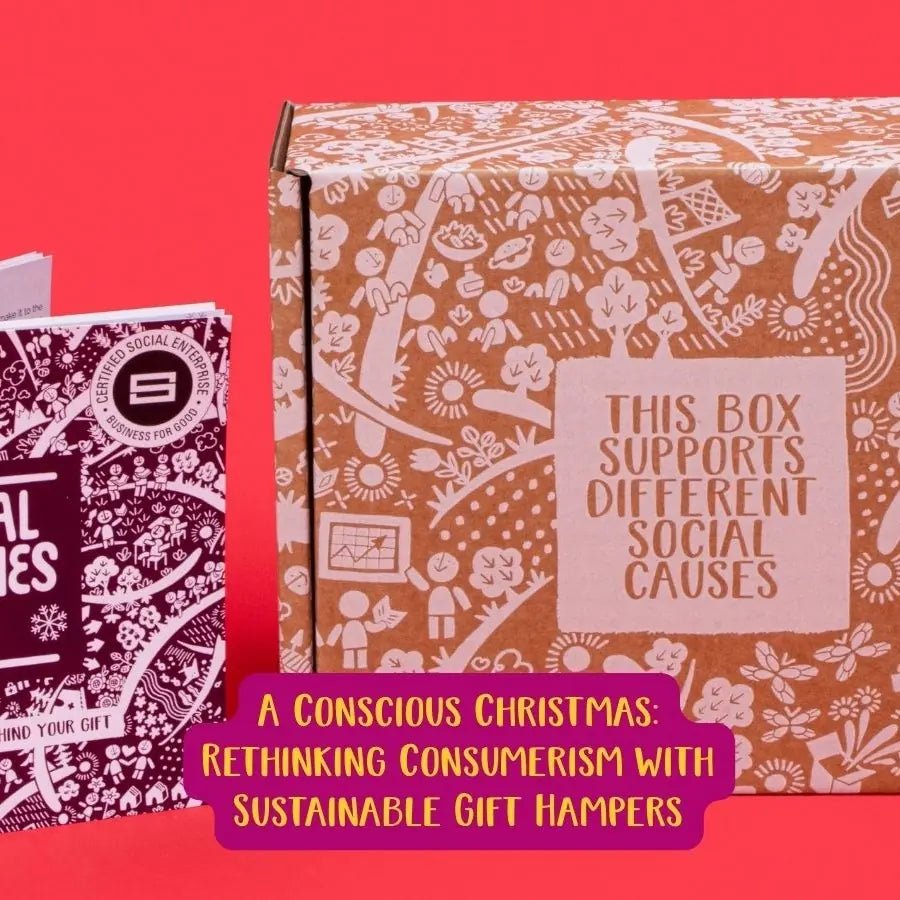
A Conscious Christmas: Rethinking Consumerism with Sustainable Gift Hampers
Companies across the UK spend millions on Christmas presents for staff, clients, and partners, but many of these gifts end up forgotten in drawers.
The Art of Thoughtful Gifting: Prioritising Values Like Sustainability, Quality, and Purpose
The act of gift-giving is a cherished tradition that transcends cultures and generations. It is a way to show appreciation, love, and connection.

Social Stories Club Corporate Gifting
If you are looking to show your team how much they are appreciated, attract and retain clients, or you have a corporate event and you want to create an impression, then our sustainable corporate hampers are just what you need. We have created the most exciting gift to give and receive which are packaged beautifully using sustainable materials, filled with delicious products made by social enterprises, and also include a storybook starting conversations about sustainability.
"Social Stories Club is a fantastic initiative that enables social enterprises to collaborate in such a creative way. The perfect way to buy gifts with a social impact" - David Adair, Head of Community Engagement, PwC